
Shareholder Disputes in India: Contractual, Arbitration and NCLT Remedies
Reviewed by Manu Shankar, Advocate, ManAT Legal
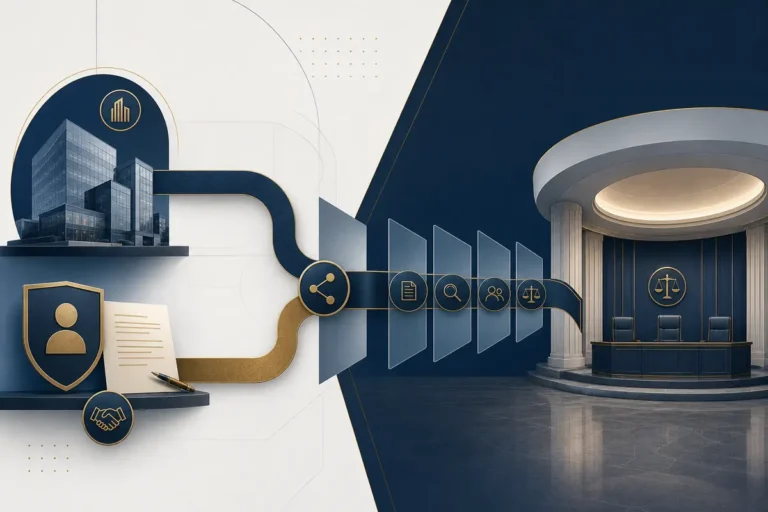
Shareholder disputes in India do not have one automatic forum. The correct route depends first on the right said to be violated: a statutory company-law right, a provision in the Articles, a shareholder-agreement promise, a board or shareholder resolution, or another civil or commercial obligation. Only then should the parties decide whether to negotiate, invoke a contractual mechanism, arbitrate, approach a civil or commercial court, or seek a Companies Act remedy before the NCLT.
Not every unfair or damaging disagreement amounts to oppression or mismanagement. Equally, an arbitration clause does not necessarily remove the NCLT’s jurisdiction over a genuine statutory petition.
What commonly causes shareholder disputes in India?
Disputes often involve one or more of the following:
- exclusion from management or information;
- deadlock between founders or shareholder groups;
- a disputed share issue or dilution;
- transfer restrictions, pre-emption rights or refusal to register a transfer;
- removal or appointment of directors;
- related-party transactions or diversion of business;
- non-payment of dividends where a legal entitlement is alleged;
- breach of reserved-matter or consent rights;
- failure of an agreed exit, buyout or valuation process;
- amendment of the Articles or capital structure; and
- conduct alleged to be oppressive to members or prejudicial to the company.
The label is less important than identifying the decision, transaction, actors, legal source and relief required.
Start with the company record
A prompt document review should usually cover:
- memorandum and Articles of Association;
- shareholder, subscription, investment and amended agreements;
- current and historical cap tables;
- share certificates and transfer/allotment records;
- board and shareholder notices, agendas, minutes and resolutions;
- statutory filings and registers;
- financial statements and transaction records relevant to the complaint;
- valuation or exit correspondence;
- notices of breach and reservation of rights; and
- messages showing consent, objection, knowledge or delay.
Records should be preserved lawfully. A person’s position as shareholder, director, employee or officer may affect access rights; it does not authorise taking privileged, confidential or personal data without regard to law and company policy.

Read the Articles and shareholder agreement together
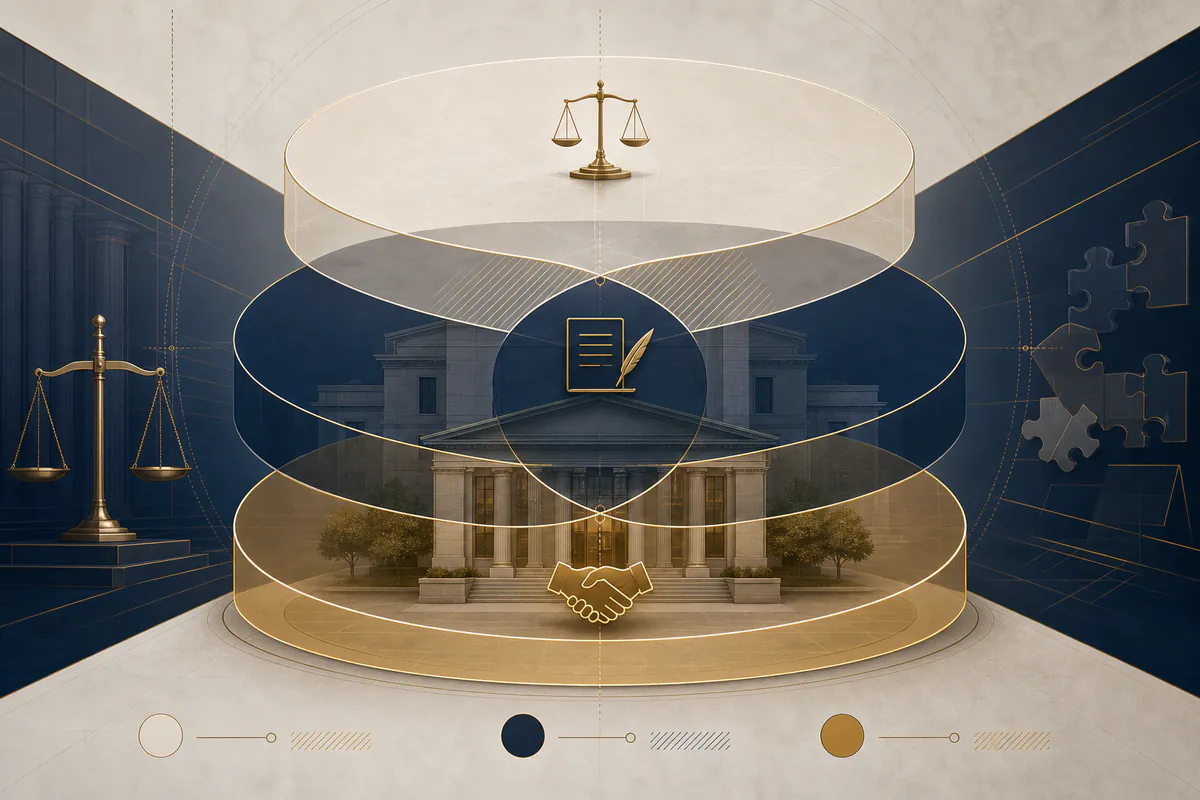
The Articles form part of the company’s constitutional framework. A shareholder agreement may create additional contractual rights among its parties. A promised right in the agreement should be checked against the Articles, Companies Act, company filings and the parties who actually signed it.
For example, a board-seat promise, reserved-matter veto, pre-emption right or exit mechanism may support a contractual claim. But the effect of that promise on the company and corporate acts cannot be assumed without examining whether it is reflected in the Articles and is consistent with mandatory law.
The first written communication in a dispute should not lock the claimant into an inaccurate theory. It should identify the decision challenged, preserve objections, request relevant records where legally available, and comply with contractual notice requirements.
Contractual and negotiated remedies
The agreement may provide a cure period, escalation meeting, mediation, buy-sell mechanism, valuation process, transfer route or arbitration. Even without a prescribed mechanism, parties can explore governance changes, information protocols, a buyout, business separation or another documented settlement.
Settlement terms should address price and valuation date, payment security, releases, transfer formalities, board changes, liabilities, confidential information, restrictive covenants and pending proceedings. Tax and regulatory advice may be required separately.
Does an arbitration clause cover the dispute?
An arbitration clause must be read for scope, parties, seat, governing law and pre-arbitration steps. Forum depends on the substance of the dispute and the relief sought, not merely on the label used in a pleading.
In VGP Marine Kingdom Pvt Ltd v Kay Ellen Arnold, the Supreme Court held that a pending NCLT oppression-and-mismanagement proceeding did not, by itself, justify refusing appointment of an arbitrator for a distinct dispute under a shareholder agreement; the question of arbitrability was left to the arbitrator. This shows that contractual and statutory strands may coexist. Conversely, where the matter in substance requires statutory powers or relief that an arbitrator cannot grant, a contractual clause should not be treated as a catch-all. The rights asserted, parties, relief and overlap must be examined in each case.
Parallel or overlapping proceedings create risks of inconsistent positions, duplication and delay. Forum strategy should be settled before urgent filings are made.
Oppression and mismanagement under sections 241 and 242
Section 241 of the Companies Act, 2013 permits an eligible member to apply to the Tribunal in the circumstances stated there, including specified complaints that company affairs are being conducted in a manner oppressive to members or prejudicial to the company or public interest.
If the statutory conditions are met, section 242 gives the Tribunal broad powers to bring the complained-of matters to an end. Depending on the case, orders may regulate future conduct, provide for purchase of shares, address agreements or transactions, or grant interim relief. The breadth of possible orders does not remove the need to plead and prove a proper statutory case.
Commercial unfairness, loss of confidence or a broken personal relationship alone does not automatically establish oppression. The conduct, company structure, legitimate expectations where legally relevant, effect on membership rights and requested remedy need analysis.
Who may apply? Section 244 thresholds and waiver
Section 244 sets eligibility thresholds. In a company with share capital, the provision refers to not fewer than 100 members or not fewer than one-tenth of the total number of members, whichever is less, or members holding not less than one-tenth of the issued share capital, subject to payment of calls and other sums due on their shares. It also addresses companies without share capital.
The Tribunal may waive all or any of the statutory requirements on an application. This is why “you need 10%” is incomplete advice: the alternative member-count tests, the company’s capital structure, joint application and waiver route must be checked.
Is a class action the same remedy?
No. Section 245 provides a separate class-action framework with its own eligibility, grounds and possible orders. It should not be treated as interchangeable with a sections 241–242 petition.
Shareholder dispute is not automatically an insolvency case
The Insolvency and Bankruptcy Code serves a different statutory purpose. A dispute about control, governance, dilution or exit does not become an insolvency proceeding merely because the company has financial problems or one participant wants negotiating pressure. Insolvency may be relevant only where its own jurisdictional and statutory conditions are genuinely met.
Interim strategy
Urgent concerns may include a meeting, share issue, transfer, change in control, disposal of assets or destruction of records. Available interim relief depends on the forum and underlying right. Before seeking it, a claimant should define:
- the exact act to be stopped or preserved;
- the legal source of the right;
- the evidence of urgency;
- the harm if relief is refused;
- the effect on the company and other stakeholders; and
- whether full and candid disclosure can be made.
An overbroad order that paralyses ordinary business may harm the company whose interests the proceeding is meant to protect.
Common mistakes
- Calling every founder disagreement oppression and mismanagement.
- Relying on a shareholder agreement without checking the Articles.
- Assuming every claim is arbitrable because the agreement has an arbitration clause.
- Reducing section 244 to a universal “10% rule.”
- Using insolvency proceedings as a substitute for a shareholder remedy.
- Delaying while disputed resolutions, allotments or transfers proceed.
- Removing records without lawful authority.
- Seeking a buyout without a workable valuation date and mechanism.
- Filing in multiple forums without a consistent theory of rights and relief.
Frequently asked questions
Can a minority shareholder stop a new share issue?
Potential remedies depend on the Companies Act, Articles, agreement, purpose and process of the issue, approvals, timing and evidence. Minority status alone does not establish that the issue is unlawful; neither does formal approval automatically answer an alleged improper-purpose or oppression case.
Can the NCLT order one side to buy the other’s shares?
Section 242 includes powers concerning purchase of shares in an appropriate case. A buyout is not automatic, and valuation, funding, company interests and the proven statutory case affect the order.
What if the shareholder is also a director or employee?
The roles create different rights and forums. Removal from employment, vacation of office and interference with membership rights should be analysed separately before remedies are combined.
Does a deadlock always justify winding up or insolvency?
No. Deadlock provisions, negotiated separation, arbitration, civil relief or company-law remedies may be relevant depending on the company and documents. Winding-up and insolvency routes have distinct statutory requirements and consequences.
Related ManAT resources
This guide to shareholder disputes in India is general information, not legal advice. Forum, standing and relief depend on the company record, parties, conduct, agreement, Articles and current statute.