
Order 37 Summary Suit in India: Eligibility, Procedure and Leave to Defend
Reviewed by Manu Shankar, Advocate, ManAT Legal
An Order 37 summary suit in India is available only for specified written money claims. It restricts the defendant’s right to defend unless leave is obtained, but it is not a guaranteed fast recovery mechanism. Before filing, the claimant must test the written foundation, reconcile the liquidated amount and interest, choose the proper court and comply with the special summons sequence. A defendant must treat each service-triggered ten-day period as urgent.
What an Order 37 summary suit in India is
Order XXXVII of the Code of Civil Procedure creates a special summary procedure in notified courts. The plaint must state that it is filed under Order XXXVII and that no relief outside the Order’s scope is claimed. The defendant does not defend as of right; appearance and later leave to defend are governed by Rule 3.
The procedure is narrower than ordinary written contract debt recovery. A claimant should use it only where the documents and relief fit Rule 1. If maintainability depends on extensive oral reconstruction, unliquidated damages or unrelated relief, an ordinary suit may be the safer route.
Which claims may use the summary procedure?
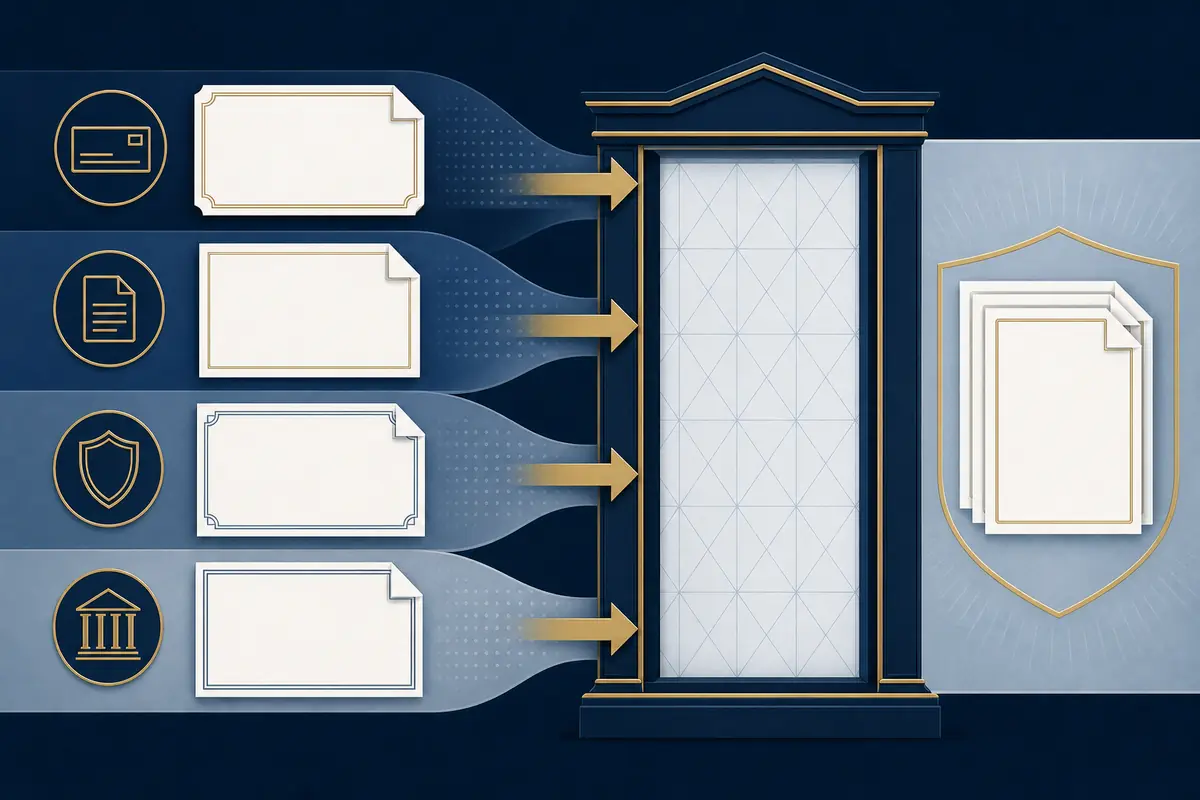
Eligibility depends on the current CPC text, the court to which Order XXXVII applies and any relevant local amendment. An Order 37 summary suit in India assessment should identify both the permitted legal foundation and a debt or liquidated demand in money that can be reconciled from the documents.
Negotiable instruments
Suits upon bills of exchange, hundies and promissory notes fall within the traditional category. The instrument, execution, endorsement, presentation and parties must be checked under the Negotiable Instruments Act and the pleadings required for the particular claim.
Debt or liquidated demand on the permitted written basis
The Order covers recovery of a debt or liquidated demand in money, with or without interest, arising on a written contract, enactment where the sum is fixed or in the nature of a debt other than a penalty, or a guarantee relating to such a debt or liquidated demand. Written contract debt recovery is not enough if the amount claimed cannot be derived without adjudicating unliquidated loss.
Guarantees and statutory claims
A guarantee can qualify when the principal claim is a debt or liquidated demand within the Rule. A statutory claim must fit the enactment limb and the monetary boundary. Invocation, liability, conditions, limitation and the exact amount remain contestable questions.
|
Eligibility question |
Summary route indicator |
Warning sign |
|---|---|---|
|
Written foundation |
Negotiable instrument, written contract, qualifying statute or guarantee |
Material terms depend on disputed oral arrangements |
|
Relief |
Debt or liquidated money demand, with permitted interest |
Unliquidated damages or mixed non-monetary relief |
|
Amount |
Reconciles from contract, invoices, admissions and payments |
Credits, returns or rates remain unexplained |
|
Court |
Order XXXVII applies and jurisdiction is established |
Local amendment or forum rule changes the route |
When an ordinary suit is safer or required
The summary suit vs ordinary suit choice turns on maintainability, not preference for speed. An ordinary money suit permits the normal written-statement and trial sequence. It may be appropriate where the claim includes unliquidated damages, multiple oral terms, complex accounts, tort claims or relief outside Order XXXVII.
Using the summary label for an ineligible case can cause amendment, return, conversion, delay or an adverse costs argument. Compare the specialised route with the ordinary money-recovery suit process before institution.
Documents and amount reconciliation before filing
Prepare the signed written foundation, invoices or drawdowns, delivery and acceptance records, account statements, payment and credit notes, acknowledgements, guarantee and invocation where relevant, notices and replies. Create a line-by-line reconciliation separating principal, contractual interest, post-default interest, payments, credits and the final claimed figure.
The plaint, summons-for-judgment affidavit and underlying record should tell the same story. If written contract debt recovery depends on standard terms, preserve proof that the terms formed part of the bargain. Electronic records should be retained in original context with the applicable evidentiary foundation.
Order 37 procedure step by step
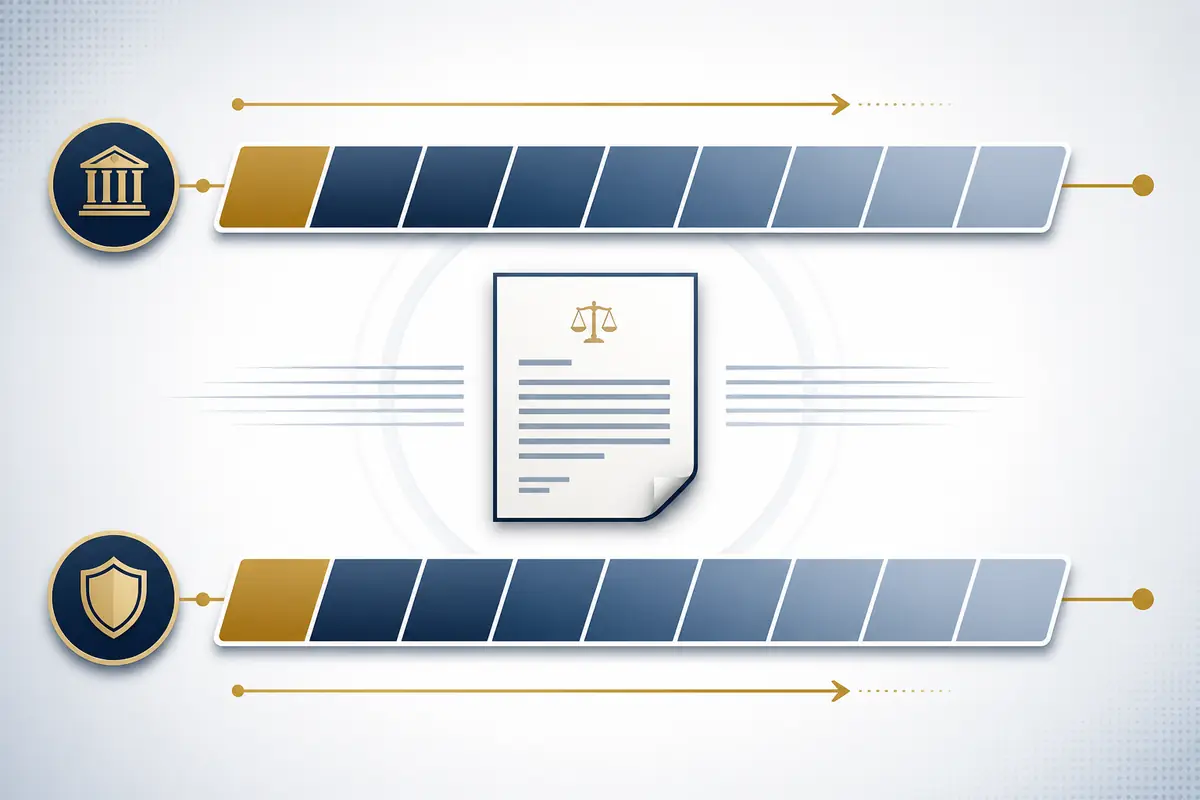
The special process has two distinct ten-day stages. Each begins with a different service event. The 2025 Supreme Court procedural decision confirms that a defence cannot simply be filed without the required leave application. Court rules and proof of service should be checked for the actual case.
Plaint and special summons
The plaint must contain the prescribed Order XXXVII averments and be accompanied by the relied-on documents. After institution, the defendant is served with the plaint, annexures and summons in the prescribed form. Defective service can affect the next step.
Ten-day appearance
The ten day appearance CPC period begins upon service of the initial summons. The defendant has ten days to enter appearance in person or through a pleader, provide an address for service and notify the plaintiff or counsel as required. Missing this stage can entitle the plaintiff to seek judgment, subject to the Rule and court orders.
Summons for judgment
After appearance, the plaintiff serves a summons for judgment in the prescribed form, supported by an affidavit verifying the cause of action, amount claimed and belief that no defence exists. This is a second service event, not a continuation of the first clock.
Ten-day leave-to-defend application
Within ten days of service of the summons for judgment, the defendant may apply for leave to defend summary suit, disclosing facts sufficient to show a substantial defence or issues that merit trial. A reply without seeking leave is not a substitute for the required application.
How courts assess leave to defend
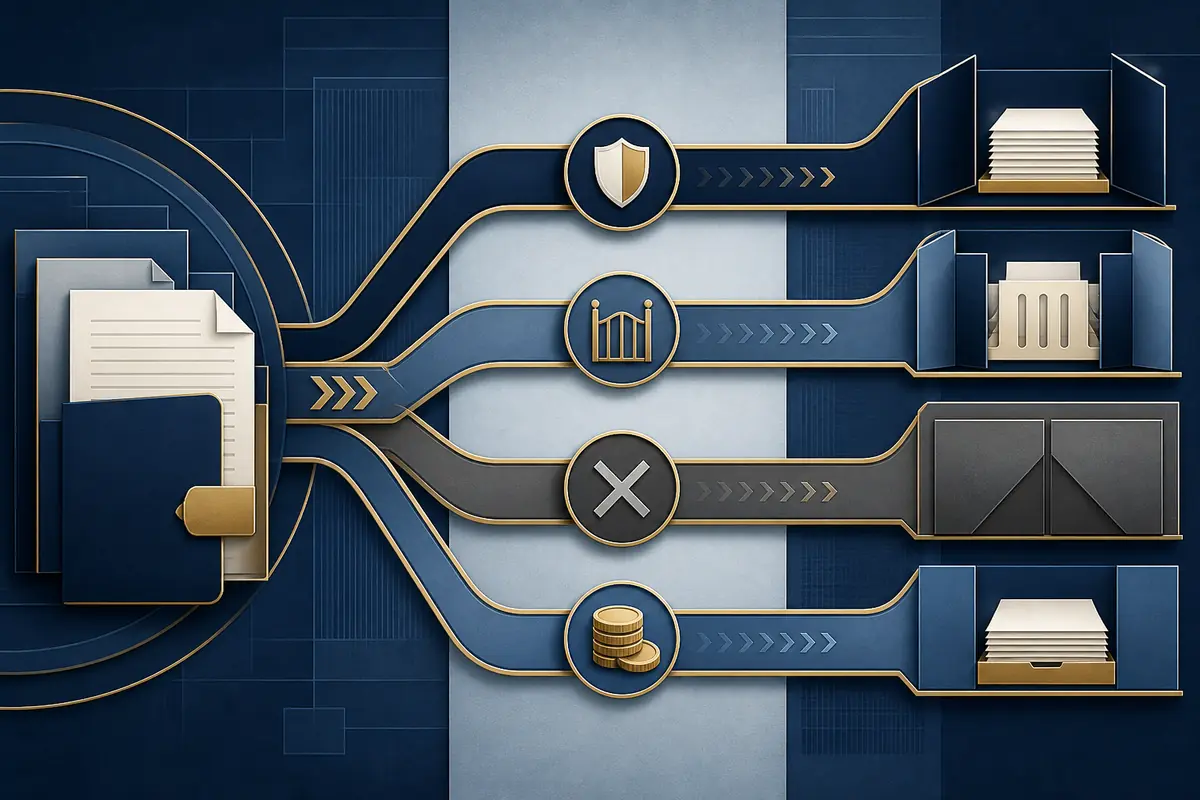
The court asks whether the defence is substantial, raises a fair or reasonable triable issue, is plausible but requires safeguards, or is sham and moonshine. The modern framework associated with IDBI Trusteeship Services Ltd v Hubtown Ltd guides the exercise, while the exact pleadings and documents control the result.
Unconditional leave to defend summary suit is appropriate where a substantial defence or genuine triable issue is shown. A vague denial is insufficient. The defendant should address execution, authority, performance, amount, limitation, payment, set-off and other available defences with documents and a coherent chronology.
Conditional leave and admitted amounts
Where the defence is plausible but doubt remains about good faith or probability, the court may impose conditions concerning time, mode of trial or security. Conditions should not become an impossible barrier that effectively denies a real defence.
If part of the amount is admitted to be due, the proviso to Rule 3(5) prevents leave unless that admitted amount is deposited in court. Parties should distinguish a legal admission from a without-prejudice proposal or a disputed reconciliation.
|
Defence assessment |
Typical procedural result |
Practical implication |
|---|---|---|
|
Substantial defence |
Unconditional leave |
Suit proceeds on the permitted defence |
|
Fair triable issue |
Ordinarily unconditional leave |
Issues move to adjudication |
|
Plausible but doubtful defence |
Conditional leave may be considered |
Time, procedure or security conditions may apply |
|
Sham or illusory defence |
Leave may be refused |
Plaintiff may obtain judgment |
|
Admitted amount |
Deposit required before leave |
Identify the precise admission |
Default, decree and setting aside
If the defendant does not enter appearance after proper service, allegations in the plaint may be deemed admitted and the plaintiff may seek a decree within Rule 2. If appearance is entered but leave is not sought or is refused, the summons-for-judgment stage may likewise lead to judgment.
Rule 4 allows the court, under special circumstances, to set aside a decree and, if necessary, stay or set aside execution and give leave to appear and defend. This is not a routine second opportunity. Prompt action and a full explanation are essential.
Summary suit versus ordinary suit
The summary suit vs ordinary suit distinction affects both pleading and defence. The summary route requires a qualifying written monetary foundation and permission to defend; the ordinary route follows the general CPC process. Neither route guarantees collection after decree, and both require jurisdiction, limitation, court fees and proof.
Before filing, compare civil suit, arbitration and insolvency options through ManAT Legal’s guide to recovery suit, arbitration or IBC. A valid arbitration clause or statutory forum may change the route entirely.
Common maintainability mistakes
- Claiming unliquidated damages as if they were a fixed debt.
- Combining qualifying money relief with unrelated non-summary relief.
- Failing to show how the final amount is calculated.
- Relying on invoices without proving the written contractual framework where disputed.
- Using ordinary summons or pleadings instead of prescribed Order XXXVII forms.
- Treating the two ten-day periods as one universal clock.
- Filing a defence without an application for leave.
- Ignoring court-specific application, commercial-court or local-amendment rules.
Frequently asked questions
These answers explain recurring points about eligibility, the two procedural stages and the consequences of a summary decree. The written instrument, service record, claimed amount, proposed defence and applicable court rules must be examined in the particular case.
Is every invoice claim eligible?
No. The court examines the written contract, the legal basis and whether the amount is a debt or liquidated demand. Invoices may support the claim but do not automatically establish every element.
Are there two ten-day deadlines?
Yes. One generally follows service of the initial summons and concerns appearance. The other follows service of summons for judgment and concerns the leave application. Record each service event separately.
Can leave be conditional?
Yes. A court may impose a proportionate condition where the defence is plausible but doubt remains. A substantial or fair triable defence ordinarily supports unconditional leave, while an admitted amount must be deposited under the Rule.
Does a summary decree ensure payment?
No. A decree may still require execution against identifiable assets. See ManAT Legal’s guide to enforcing the resulting civil decree.
Related ManAT Resources
- Debt recovery lawyers in Bangalore
- Ordinary money-recovery suit process
- Recovery suit, arbitration or IBC
- Enforcing a civil decree
- Legal-notice considerations
An Order 37 summary suit in India requires strict eligibility and service-date control, not an assumption of speed. This guide is general information and does not replace advice on maintainability, limitation, jurisdiction, service or defence.