
Home / Practice Areas / Civil Litigation Lawyers in Bangalore
Civil Litigation · Bangalore
Civil Litigation Lawyers in Bangalore
ManAT Legal advises and represents individuals, institutions and businesses in civil disputes in Bangalore, including property-related claims, contractual civil suits, injunctions, declarations, recovery proceedings and execution of decrees. The correct course depends on the right asserted, the evidence available and the relief that is needed.
Civil litigation is a sequence: pre-litigation assessment, pleadings, interim questions, evidence, decision and, where required, execution.
Manipal Centre · Dickenson Road · Off MG Road · Bengaluru
Start with the situation
What type of civil dispute do you have?
Choose the description closest to the current issue. You do not need to identify the legal procedure before requesting an appointment.
Quick answer
What does a civil litigation lawyer in Bangalore do?
A civil litigation lawyer assesses a private-law dispute, advises on notices and settlement, prepares or responds to suits, seeks or contests interim relief, manages evidence and hearings, and assists with appeals or execution where appropriate.
The court, procedure and relief depend on the subject matter, territorial and pecuniary jurisdiction, limitation and the documents supporting the claim or defence.
Scope of work
Civil Litigation legal services
Before and during a suit
Evidence and enforcement
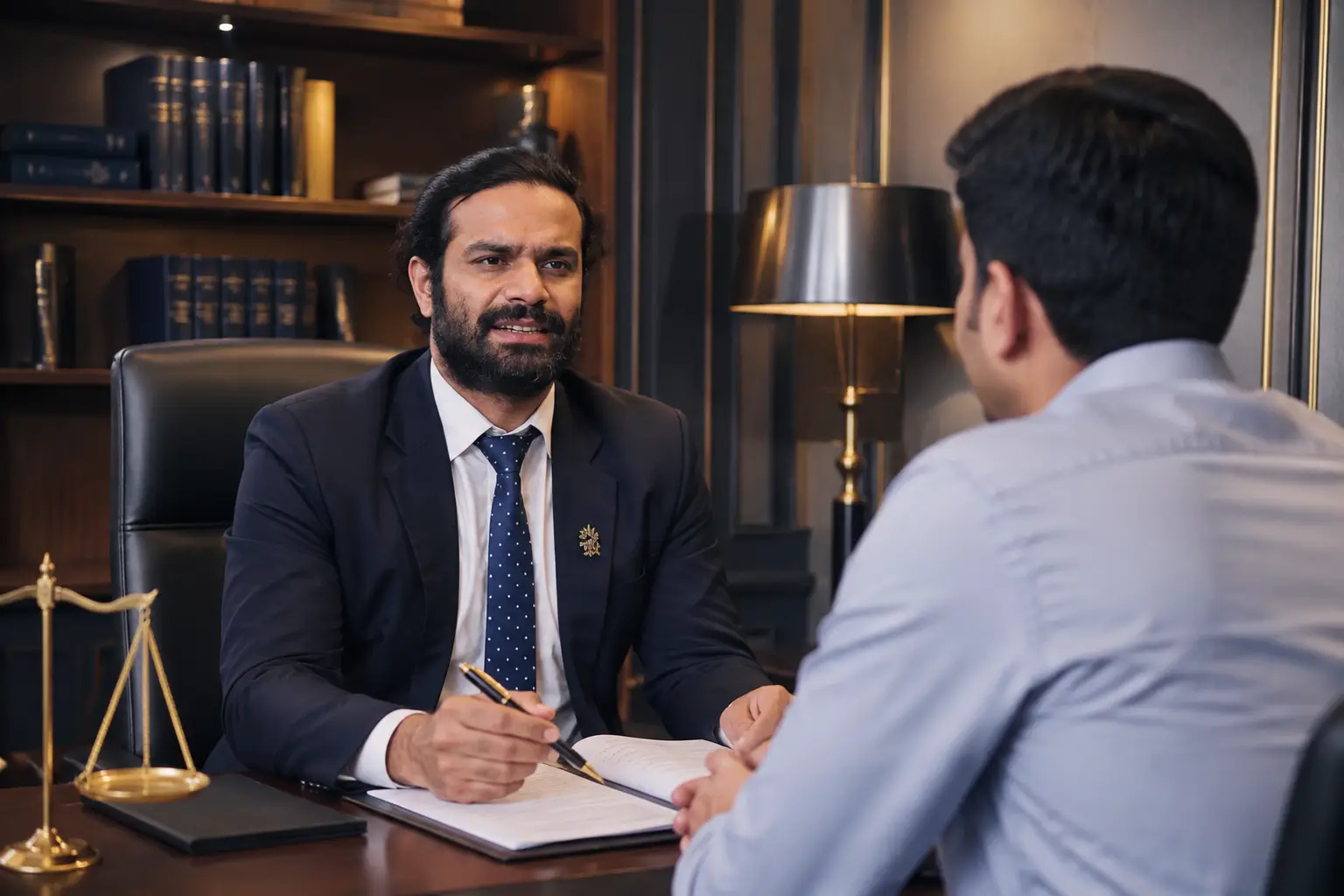
Before filing
Notices, records and pre-litigation assessment
A clear pre-litigation assessment can narrow the dispute and prevent the first notice from creating avoidable problems.
The review starts with the right asserted, the events said to violate it, the people or entities involved and the records that can prove or answer the claim.
A notice may be useful to demand performance, payment or restraint, but it should be written with the possible suit in mind. Negotiation or mediation may also be explored where the matter is suitable.
Pleadings define the case
Filing or responding to a civil suit
A civil suit should state the material facts, legal basis and relief clearly; a defence should answer the case actually pleaded.
Preparation includes identifying necessary parties, jurisdiction, limitation, valuation, the documents relied on and the relief that the court is asked to grant or refuse.
If papers have already been served, the immediate task is to understand the summons, filing date, next hearing and any interim application, then prepare the response and supporting record.
Protecting the position
Interim relief and injunctions where appropriate
Temporary relief is considered when waiting for final judgment may materially prejudice the subject matter or the parties’ position.
An application for temporary injunction must be grounded in the pleaded case and supported by documents or other admissible material. The opposing party may contest both the urgency and the legal basis.
Order XXXIX of the Code of Civil Procedure addresses temporary injunctions and interlocutory orders. Whether relief is available depends on the facts and the established legal tests, not on the label given to the application.
From proof to enforcement
Evidence, hearings, decree and execution
Winning an order and obtaining practical compliance are separate stages that should be planned together.
Evidence preparation follows the issues framed by the pleadings. Documents, admissions and witness testimony should be organised so the court can understand what is disputed and what each item proves.
After judgment, the next step may be compliance, appeal, final decree proceedings or execution. The Code of Civil Procedure contains the governing framework, while the specific step depends on the decree and the assets or obligations involved.
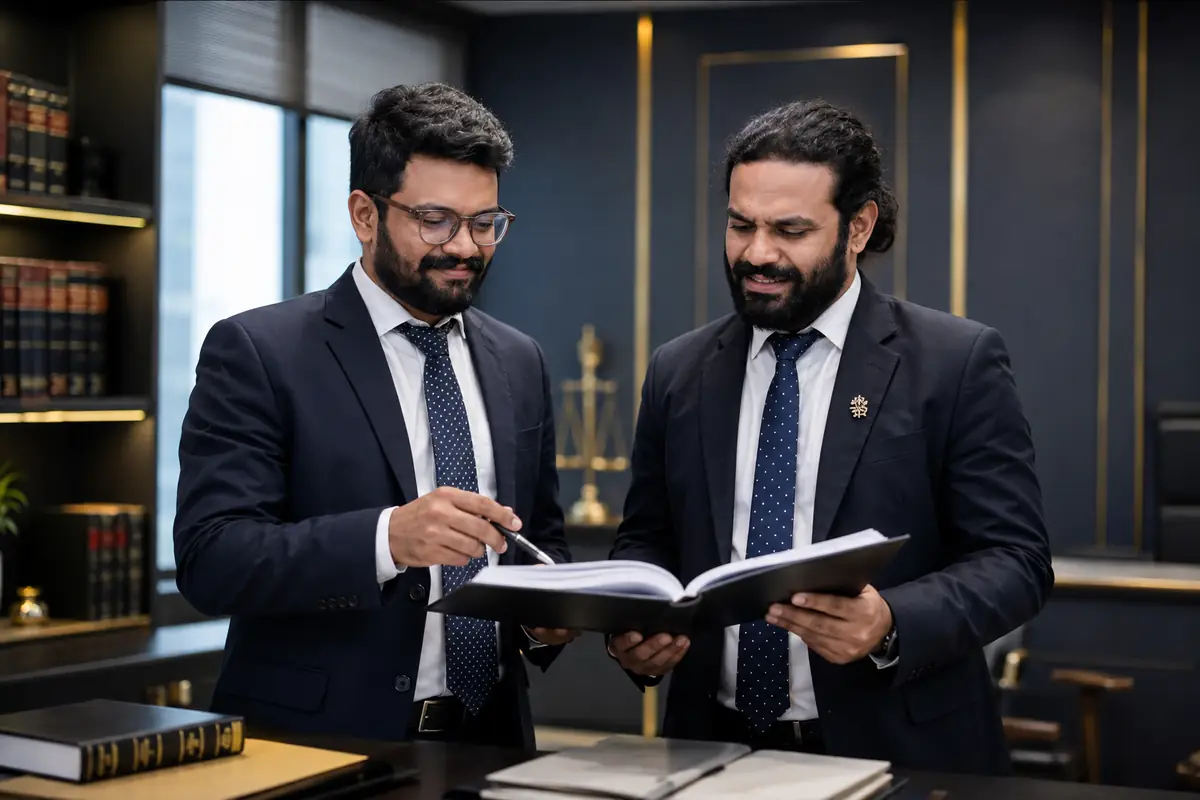
When to seek advice
Speak to a lawyer before the position becomes harder to protect
Early advice can help preserve records, identify deadlines and avoid a response that weakens the intended position.
Prepare for the first review
Documents and details to bring
Bring what is already available. Missing items can be identified after the core facts and current procedural stage are understood.
How the firm works
A structured path from first review to representation
Define the civil right and relief
Identify what right is asserted, what has happened and what the court may be asked to do.
Test jurisdiction, limitation and evidence
Review forum, timing, parties, documents and practical proof.
Plan the procedural course
Choose notice, settlement, suit, defence, interim application or execution.
Prepare and represent
Draft pleadings, organise evidence, appear and advise on each order and next step.
Relevant experience
Lawyers for this practice area
Only advocates whose confirmed profiles support this work are shown here.

BN Thimmaiah
Confirmed experience includes civil matters, institutional advisory work and dispute resolution before courts in Karnataka.

Aiyappa B.T.
Confirmed experience includes civil disputes and litigation before Civil Courts and the High Court of Karnataka.

Chandrashekar
Confirmed experience includes civil law and property disputes before Civil Courts.
Content awaiting firm review
Representative matters
These are visible editorial placeholders, not claims about completed cases. Replace them with genuine, approved and anonymised examples before production, or remove this section.
Injunction or declaration suit
Situation: A civil situation requiring protection of an asserted right or a declaration from the court.
Decree execution
Situation: A matter in which an existing decree or order requires compliance or enforcement.
Courts, tribunals and resolution forums
Forums that may be relevant in Bangalore
Jurisdiction depends on the parties, subject matter, value, location, contract, procedural stage and applicable law.
City Civil Court, Bengaluru
Civil suits concerning declarations, injunctions, recovery, property and contractual claims where jurisdiction lies.
High Court of Karnataka
Civil appeals, revisions, writs and other remedies where the law makes them available.
Bengaluru Mediation Centre
Court-referred mediation may be relevant where the dispute and parties are suitable for a negotiated resolution.
Client feedback
Client perspectives on working with ManAT Legal
These reviews are drawn from the firm’s Google Business Profile and reflect clients’ own experiences of working with ManAT Legal.
Reviewer name · Review date
Bengaluru Google Business Profile
Reviewer name · Review date
Bengaluru Google Business Profile
Reviewer name · Review date
Bengaluru Google Business Profile
Related legal guides
Practical reading for the next decision
Read practical guides on legal notices, civil claims, interim relief and recovery proceedings before taking the next step.
What Is a Legal Notice and When Should You Send One?
The purpose of a notice, what it should contain and what may follow.
How to File a Money Recovery Suit in India
A practical guide to jurisdiction, limitation and records for a recovery claim.
Temporary Injunctions in Civil Suits: What the Court Considers
A planned guide to interim protection, evidence and compliance.
Frequently asked questions
Questions about this service
Civil litigation enquiries
Discuss your civil dispute with ManAT Legal
Share the nature of the dispute, the present court stage and any notice, hearing or deadline. The firm will review your enquiry and respond about the next steps.
Bengaluru office
3rd Floor, Manipal Centre, S-309, Dickenson Road, off Mahatma Gandhi Road, Bengaluru 560042
Telephone
+91 8861571675
Email
admin@manatlegal.com
Hours
Monday to Saturday, 9:00 AM to 8:00 PM
Consultations by prior appointment.
Request an appointment
Tell us how we can assist. Required fields are marked with an asterisk.